
From Suburban House to Sustainable Home
Written by Kate-Lily Pavic.
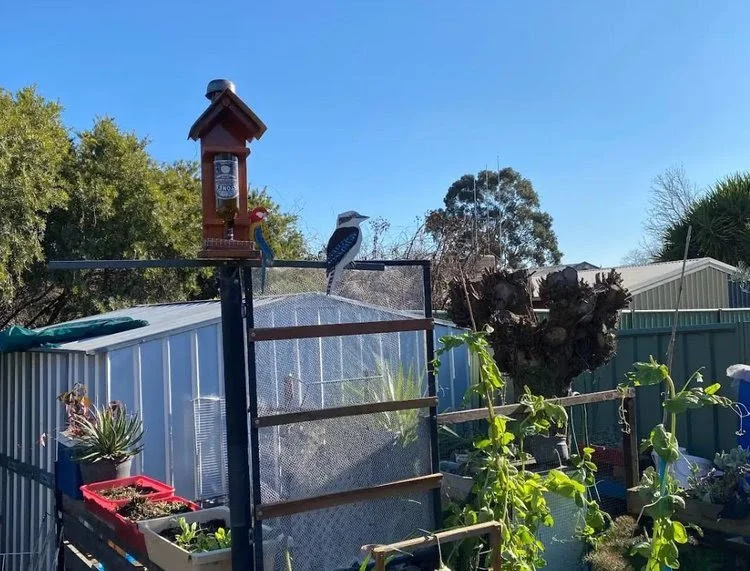
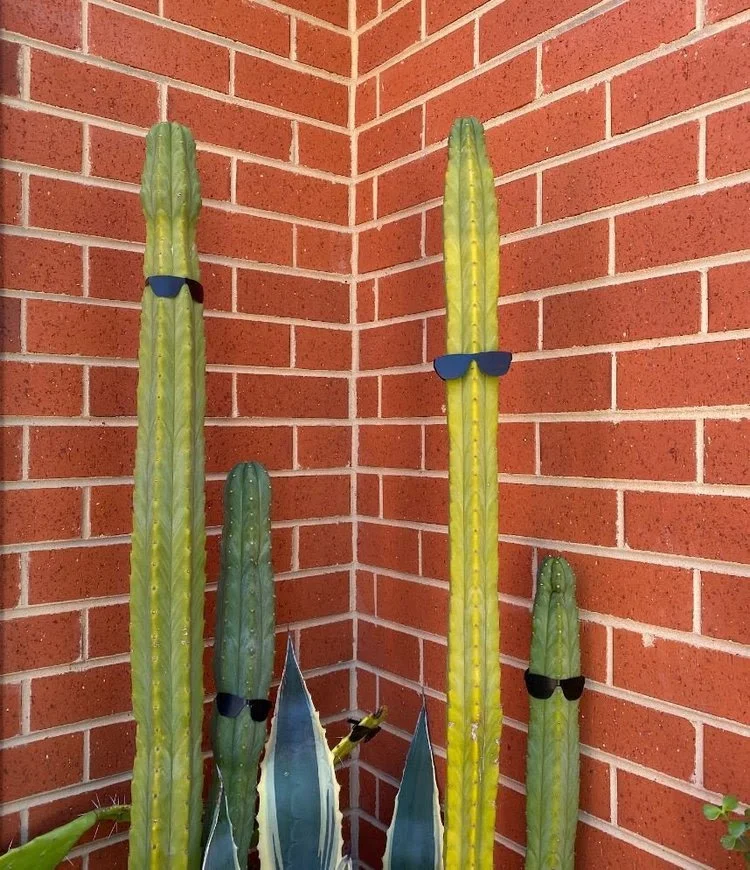
Nestled among the streets of Strathfieldsaye is the Barker family home, where sustainability has become a part of everyday life.
Over several years, the family has transformed their 700-square-metre property into a productive and sustainable space, featuring 114 garden beds, six large rainwater tanks, five chickens, solar panels, composting systems and 10 street libraries for the wider community.
For Bradley, the motivation behind the changes is simple.
“I like living freely and thriftily, enjoying using second-hand materials, harvesting rainwater, and using solar panels,” he said.
Rather than buying new materials for every project, the family looks at what they already have and then considers how it could be given another purpose.
Using old fencing panels, corrugated metal, pallet wood, olive barrels, IBC containers and even bathtubs, the Barker family repurposes the materials into garden beds across the property.
Their approach reflects Bradley’s broader understanding of sustainability.
Twenty-four of the 114 garden beds are wicking beds, which require less water, while the remaining gardens are generally watered using harvested rainwater through drip line irrigation, hand watering and sprinklers.
The gardens are primarily used to grow food, alongside flowering plants for pollinators and native plants that provide food for local birdlife.
What began as a small vegetable patch in the backyard has gradually developed into a major part of the family's everyday life.
Bradley said living more sustainably has changed the way the family views their surroundings.
“You have a higher appreciation of everything around you,” he said.
The benefits are not limited to the garden. Up to 14,000 litres of rainwater can be stored across six large and four smaller tanks, while kitchen scraps and garden waste are redirected to their five chickens.
The home itself has also been adapted to reduce energy consumption. Fourteen solar panels sit on the roof, connected to a 3.0kW inverter and solar battery. The family also uses heat-pump technology, including a clothes dryer and hot-water system, helping to reduce electricity use.
But sustainability for the Barker family extends beyond their home.
Over the past five years, they have created 10 street libraries on their nature strip, offering everything from books and toys to plants, seeds, board games and jigsaw puzzles.
The libraries have been made using upcycled materials, including old refrigerators and a modified bread rack.
A community garden also provides locally grown produce for people to take as needed.
For Bradley, opening the space to others has become one of the most rewarding parts of the project.
“It brings me joy and happiness,” he said.
Over time, the community has also contributed to the space, with donations helping the family's library collection and community resources continue to grow.
The response from neighbours has reinforced the sense of connection with people regularly going to collect produce from the garden, taking what they need while engaging with the space and the people behind it.
“It’s been wonderful meeting people and enhancing the community,” Bradley said.
For Bradley, the value of the space goes beyond simply giving people access to food and books, but creates an opportunity for people to participate in a shared community space.
And he hopes the idea encourages others to make their own sustainable changes.
“I want to encourage and inspire everyone and anyone, not only with street libraries but to be sustainable,” he said.
The Barker family’s approach demonstrates that sustainability does not have to mean living completely off-grid or making expensive changes all at once. Instead, it can involve a collection of small decisions like reusing materials, growing food, collecting rainwater and reducing energy use when you can.
For Bradley, the goal is simply doing what is possible with what is available.
An ordinary suburban block in Strathfieldsaye has transformed into much more than just a garden, but a space that provides food, reduces waste, encourages reuse and brings the local community together.
“We should all try and do what we can to leave the world in a better place.”